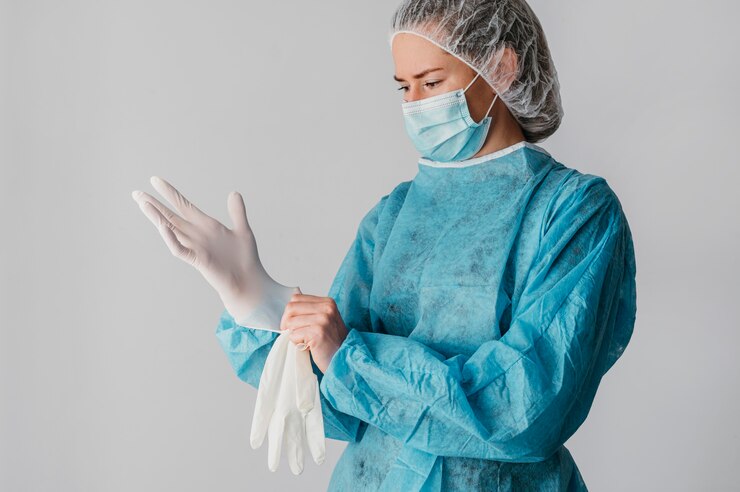
Cleanrooms are specialized environments that require strict control over contamination levels to protect sensitive processes, products, and personnel. They are used across various industries, including pharmaceuticals, biotechnology, electronics, and food production. In these controlled environments, preventing cross-contamination is a top priority. One of the essential pieces of personal protective equipment (PPE) used to achieve this is the clip cap. In this article, we will explore the critical role clip caps play in preventing cross-contamination in cleanrooms, their benefits, and best practices for their use.
Understanding Cleanrooms and Cross-Contamination
Cleanrooms are highly controlled spaces designed to minimize the presence of airborne particles, microorganisms, and chemical vapors. These environments are maintained under strict standards to ensure that contamination does not compromise the quality and safety of products. Cross-contamination occurs when particles, microbes, or other contaminants are transferred from one object or area to another, potentially leading to product defects, equipment damage, or health risks.
Cross-contamination can result from various sources, including human activities, equipment, raw materials, and the environment. Among these, human activities are a significant source of contamination, as people shed skin cells, hair, and bacteria naturally. Therefore, controlling contamination at its source—especially on personnel—is vital in cleanrooms.
What Are Clip Caps?
Clip caps, also known as bouffant caps, are disposable head covers made from lightweight, breathable materials like non-woven polypropylene. They are designed to cover the hair and scalp, preventing hair and other particles from contaminating the cleanroom environment. Clip caps are elasticized around the edges to ensure a snug fit, making them easy to put on and take off. They are commonly used in cleanrooms, laboratories, and other controlled environments to maintain hygiene and prevent contamination.
The Role of Clip Caps in Preventing Cross-Contamination
Clip caps are a simple yet effective tool for preventing cross-contamination in cleanrooms. Here are some of the key ways they help maintain a clean environment:
1. Containing Hair and Scalp Particles
One of the primary functions of clip caps is to contain hair and scalp particles that can act as carriers of contamination. Human hair can harbor dust, dandruff, bacteria, and other particles that could easily fall into cleanroom environments. By covering the head completely, clip caps prevent these contaminants from entering the controlled area, significantly reducing the risk of cross-contamination.
2. Preventing Skin Flake Shedding
The human scalp constantly sheds skin flakes, which can be a source of contamination in cleanrooms. These flakes can carry microorganisms that may contaminate sensitive products and processes. Wearing clip caps helps contain skin flakes, ensuring they do not become airborne and contaminate the cleanroom.
3. Enhancing Overall Hygiene
Clip caps contribute to the overall hygiene protocol of cleanrooms by acting as a barrier between the head and the environment. They ensure that no contaminants from the hair or scalp come into contact with cleanroom surfaces, equipment, or products. This is especially important in environments where maintaining sterility is crucial, such as in pharmaceutical manufacturing or medical device production.
4. Reducing Microbial Load
Microorganisms such as bacteria and fungi are naturally present on human hair and skin. If these microorganisms enter a cleanroom, they can compromise sterile processes and product integrity. Clip caps help reduce the microbial load by preventing microorganisms from being released into the cleanroom environment. This is vital in preventing contamination in sterile environments where microbial presence must be minimized.
Benefits of Using Clip Caps in Cleanrooms
Clip caps offer several benefits that make them a preferred choice for cleanroom use:
1. Ease of Use
Clip caps are easy to put on and remove, making them a convenient choice for cleanroom personnel. Their elasticized edges ensure a secure fit without the need for adjustments, saving time and ensuring consistent protection.
2. Cost-Effectiveness
Clip caps are typically disposable, providing a cost-effective solution for cleanroom contamination control. Their low cost allows for frequent changes, ensuring cleanroom personnel always wear fresh, uncontaminated caps.
3. Comfort and Breathability
Made from lightweight, breathable materials, clip caps are comfortable to wear for extended periods. This is especially important in cleanroom environments where personnel may need to wear PPE for long durations. Comfortable PPE is less likely to be adjusted or removed, maintaining a higher level of contamination control.
4. Versatility
Clip caps come in various sizes and styles, catering to different head sizes and hair lengths. This versatility ensures a good fit for all personnel, enhancing their effectiveness in contamination control.
Best Practices for Using Clip Caps in Cleanrooms
To maximize the effectiveness of clip caps in preventing cross-contamination, it is essential to follow best practices for their use:
1. Proper Application
Clip caps should be worn properly to ensure they cover all hair and the scalp completely. Personnel should take care to tuck in any loose hair and ensure the elasticized edge sits securely around the hairline. A well-fitted clip cap provides maximum protection against contamination.
2. Regular Replacement
Clip caps should be replaced regularly, especially after they become soiled or after a shift change. Using clean, uncontaminated caps minimizes the risk of cross-contamination and maintains cleanroom standards.
3. Hand Hygiene
Before putting on a clip cap, personnel should perform proper hand hygiene. This reduces the risk of transferring contaminants from the hands to the clip cap and, subsequently, to the cleanroom environment.
4. Training and Compliance
Cleanroom personnel should be adequately trained on the importance of wearing clip caps and the correct procedures for donning and doffing them. Consistent compliance with PPE protocols is crucial for effective contamination control.
5. Integrated PPE Use
Clip caps are most effective when used as part of a comprehensive PPE protocol. In addition to clip caps, cleanroom personnel should wear other appropriate PPE, such as gloves, gowns, masks, and shoe covers, to provide complete protection against contamination.
Clip caps play a vital role in preventing cross-contamination in cleanrooms by containing hair, scalp particles, and microorganisms. Their ease of use, comfort, and cost-effectiveness make them an essential component of cleanroom PPE protocols. By following best practices for clip cap use and integrating them into a broader contamination control strategy, cleanroom environments can maintain high standards of hygiene and protect sensitive processes and products. In industries where cleanliness and sterility are paramount, the humble clip cap proves to be an indispensable ally in the fight against contamination.